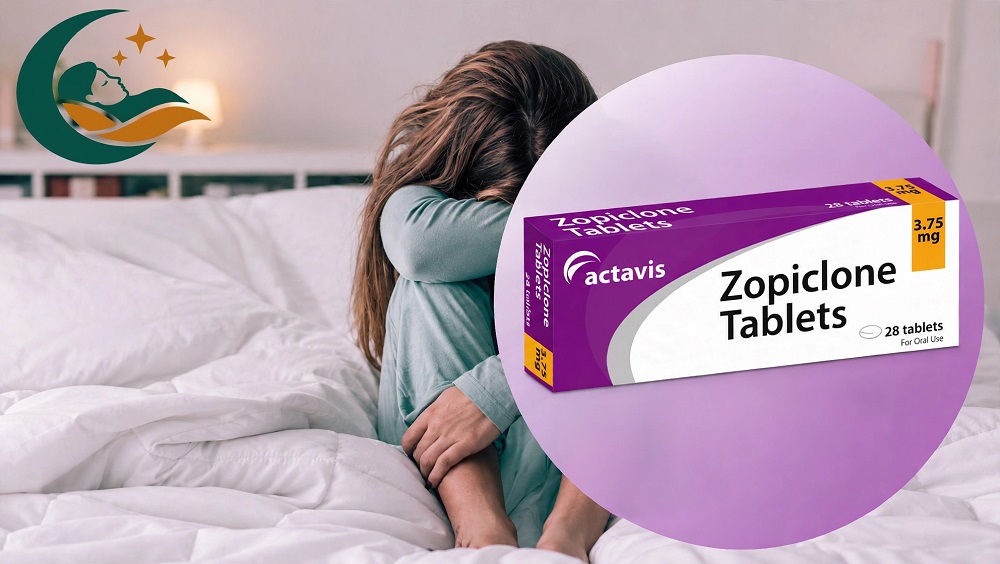
Insomnia is a sleep disorder in which a person has persistent difficulty staying asleep for 7–8 hours, falling asleep at night on time, or waking too early despite having an adequate opportunity to sleep.It may result in daytime laziness, tiredness, poor concentration, impaired balance, irritability, low energy, and reduced memory or performance. Doctors prescribe zopiclone for insomnia, but the medication is prescribed for short-term treatment only.
Insomnia may be:
Short-term (acute): short-term insomnia is often associated with symptoms like stress, illness and can be caused by continuous travel, or a temporary change in routine.
Chronic: chronic insomnia happens due to occurring of sleep difficulties regularly over a prolonged period of time and affects daytime functioning.
Common contributing factors include stress, depression, anxiety, sedative products such as caffeine, nicotine, alcohol;irregular sleep schedules, excessive screen use before going to bed, muscle pain and certain medications or medical conditions. Zopiclone for insomnia is suggested by the doctors for a particular period of time.
* Zopiclone is a prescription-based medication which belongs to the hypnotic (sleeping medicine) class of drugs and is used for the short-term treatment of insomnia in some countries.It has effects like sedation and hypnotics similar to benzodiazepines. Zopiclone for insomnia is intended to help with falling asleep and staying asleep rather than treat the underlying cause of chronic insomnia.
Zopiclone acts directly on GABA-A receptors ( an inhibitory neurotransmitter)in the brain that reduces excessive activity in the nervous system. It produces sedation and relaxation effects in the brain, making it easier to fall asleep and stay asleep.
Doctors prescribe zopiclone for insomnia, and it should be taken only on prescription . Doctors prescribe it to be taken once at bedtime, immediately before going to sleep and when you have enough time available for a full night's sleep of 7–8 hours.
Dosage: The exact dose of zopiclone for insomnia depends on various factors such as age, medical conditions, gender, other medicines, and individual response. Treatment is usually short-term, because prolonged use of zopiclone can lead to various side effects such as tolerance, dependence, addiction and reduced effectiveness. Therefore, you should not take an additional dose on your own during the same night if any conditions arise.
Bitter or metallic taste in your mouth, dry mouth, dizziness, drowsiness, headache, muscle pain, fatigue, tiredness, reduced concentration, impaired balance, memory problems and poor coordination or unsteadiness.
Do not combine zopiclone with other opioids such as alcohol or other substances because both can depress the central nervous system and hence increase sedation and impairment. Also, you should not drive or perform activities that require concentration or alertness.
Tell your doctor your medical history in advance, such as if you have breathing problems, kidney or liver disease, a history of substance addiction or dependence, or other significant medical conditions.
Regular or prolonged use of zopiclone for insomnia can result in physical or psychological dependence. Also, it may cause serious side effects such as rebound insomnia, anxiety, depression, restlessness, sweating, seizures or other withdrawal symptoms after stopping the medication suddenly.
For persistent insomnia, various therapies such as cognitive behavioral therapy for insomnia (CBT-I) and good sleep habits are important. Maintain a consistent sleep schedule, limit screen time before going to bed, limit caffeine later in the day, and keep the bedroom dark and comfortable.
It is important to note that Zopiclone should not be used simply because you occasionally have problems with sleep. A doctor’s prescription is required to purchase it and take it regularly for a certain period of time.